
The Cinema Had Us Outside in 2025
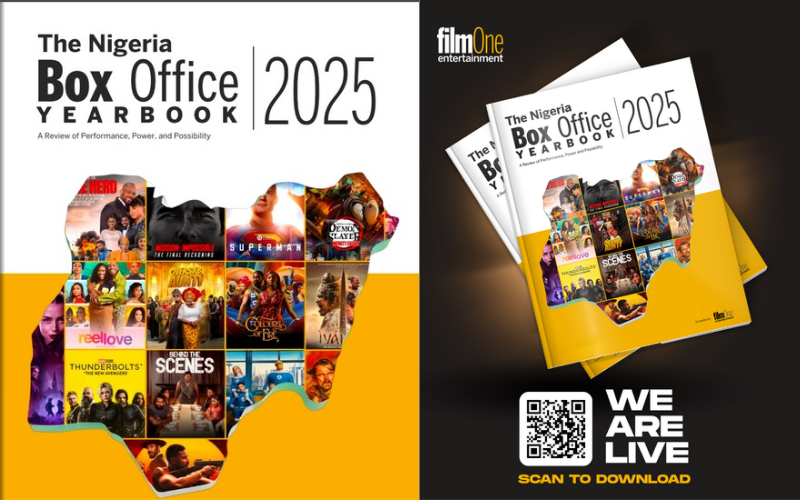
There was something different about going to the movies in 2025. It wasn’t just about seeing a film. It was about the choice people made to leave the house, to meet friends, and witness powerful storytelling. We felt the impact of films that mattered, the strength of communities coming together, and shared experiences that lasted far beyond the theater. That’s what the 7th Nigeria Box Office Yearbook captures Released on January 30, this edition documents a year when audiences consistently chose the cinema. Across Nollywood and Hollywood releases, attendance remained strong, repeat viewership was evident, and several titles sustained long runs beyond their opening weekends. By year-end, the data pointed clearly to one thing: cinema-going in Nigeria was active, intentional, and sustained. But the significance of 2025 goes beyond totals and rankings. The figures reflect patterns of behaviour, audiences responding to stories, showing up in numbers, and returning when films resonated. They mark a year where the cinema remained culturally relevant and commercially viable. The year also coincided with physical growth in cinema access, with new locations opening and more audiences experiencing the big screen for the first time. These developments broadened the reach and reinforced the role of cinemas as shared spaces for storytelling. Compiled by FilmOne Entertainment, the Nigeria Box Office Yearbook continues to serve as an industry reference, offering context for performance while preserving a clear record of how Nigerian cinema functioned over the year. Looking back, 2025 stands out not for spectacle but for consistency. Audiences showed up. Films connected. Cinemas stayed relevant. And in that sense, the cinema truly had us outside. On a lighter note, here’s a list of some movies we would be treating you to this February: We are also spoiling you with Love this Valentine’s All our love Filmhouse Cinema
December Is the Biggest Moment for the Cinema Economy

By Aramide Pearce, Public Relations and Communications Executive, Filmhouse Group The Christmas holiday season consistently delivers the year’s highest cinema attendance, here’s what fuels the surge. It’s the most wonderful time of the year! December cheer is in the air and the festive spirit is in full swing. This month is one of the biggest windows for movie releases worldwide. Research on cinema attendance consistently shows that audience engagement rises during the holiday season. Films released in December often outperform other months in terms of ticket sales which is driven by families seeking entertainment during school breaks, couples and groups looking for shared experiences and the general uplift in spending during the festive period. Globally, December and holiday-season releases have historically delivered some of the highest box-office grosses of the year. Classics like Home Alone (1990) and How the Grinch Stole Christmas (2000) achieved massive domestic and international revenue, while more recent releases such as The Grinch (2018) continue the trend. In 2025, industry analysis shows that December remains one of the highest-grossing months across multiple markets. These films benefit not only from initial excitement but also from sustained word-of-mouth, as audiences seek shared experiences during the holiday period. Families on school break, groups of friends, and couples looking for feel-good entertainment make cinema outings a popular choice, and festive-themed marketing further reinforces this trend. The social and emotional context of the holidays makes movie-going particularly attractive, creating an ideal window for engaging audiences. Kicking off the festive season on Friday 5th December was Wale Ojo’s “This Is Not a Nollywood Movie.” As the first Nollywood release of December, it set the tone for a month of exciting cinema experiences, benefiting from holiday audiences seeking family outings, shared experiences, and feel-good entertainment. Funke Akindele’s Behind The Scenes (BTS), releasing on Friday 12th December is a prime example of tapping into that festive spirit. Films like this not only benefit from initial excitement but also from extended word-of-mouth during the weeks between Christmas and New Year, as families and friends gather, discuss, and recommend movies to one another. Box office analysis shows that holiday films often maintain strong cinema runs well beyond opening weekends, maximizing both revenue and audience engagement. Toyin Abraham’s Over Sabi Aunty releasing on Friday 19th continues our December momentum. Hollywood is also coming in strong this season with major global blockbusters that will amplify the festive excitement. On Friday 19th December, Avatar: Fire & Ash arrives as one of the biggest worldwide releases of the year. Niyi Akinmolayan’s Colors Of Fire releasing on Thursday 24th December (Christmas Eve) further strengthens our holiday lineup. With family-friendly appeal and festive themes, it’s designed to engage audiences in one of the busiest cinema periods of the year. Following closely are two family-friendly titles on Thursday 26th December (Boxing Day) Anaconda and The SpongeBob Movie: Search for SquarePants both positioned to take advantage of the massive post-Christmas cinema rush. For us, December isn’t just another month, it is a strategic opportunity to reach audiences when they are most excited to go to the movies. By further leveraging the festive spirit, family gatherings and heightened leisure activity we position our films for maximum impact. This year, the festive season is shaping up to be truly unforgettable and we have a slate that is set to capture all the excitement.
Marketing Movies in the Digital Age: Why the Big Screen Still Matters

By Aramide Pearce, Public Relations and Communications Executive, Filmhouse Group Film marketing has evolved. In today’s digital world, streaming platforms, social media, and influencer buzz shape how audiences discover new movies. Trailers drop online, clips go viral, and influencers create excitement but even with all this digital hype, the cinema experience still remains unmatched. November is a perfect example. Big releases are filling theatres, and trailers are everywhere but seeing a film on the big screen, surrounded by an excited audience, brings the story to life in so many ways. In the digital age, marketing may be online, but the ultimate payoff is the physical presence. For filmmakers and cinema lovers alike, nothing beats the energy, visuals, and sound of a cinema experience. So this November, let the trailers grab your attention but catch the films on the big screen for the full experience.
Fandom as a Market Force: What Demon Slayer’s ₦175 Million Box Office Reveals About Nigeria’s Entertainment Economy
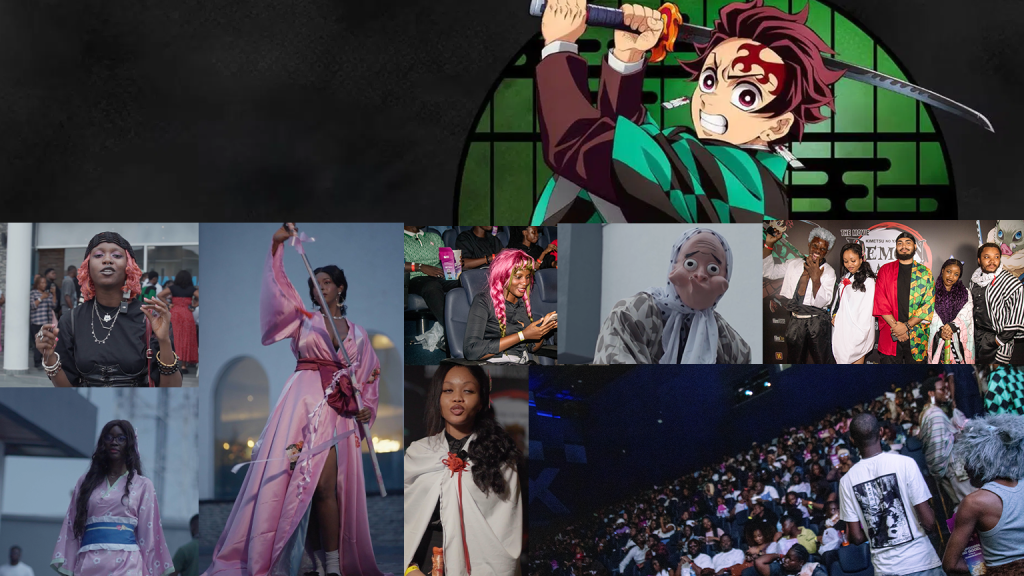
By Chuka Okonkwo, Marketing Manager, FilmOne Entertainment In early September, Demon Slayer: Infinity Castle opened at the Nigerian box office. By the end of its first weekend, it had earned ₦82 million. Within weeks, that figure passed ₦175 million; the highest box office return for an anime title in West Africa’s history. On the surface, it was a record. Beneath it, a signal. The turnout wasn’t driven by conventional marketing or star power, but from a communal partnership and a well-orchestrated experiential touchpoint for Nigeria’s anime fans and community – one that had never been tapped into in such a large scale. This revealed more clearly than any campaign could that the anime fandom has matured into a market force in Nigeria’s entertainment economy. At FilmOne Entertainment, we have long tracked audience behavior across genres, but Demon Slayer offered a rare case study: a niche product achieving mainstream penetration through community-led enthusiasm. Partnering with AniWe Convention, we saw how subcultures — when engaged rather than marketed to, can convert passion into predictable demand. The screenings at Filmhouse IMAX Lekki and Silverbird Jabi Mall were sold out, with repeat visits from fans who viewed the experience as collective, not transactional. This success also highlights a broader shift in Africa’s cinema economy. The average Nigerian moviegoer is now younger, globally literate, and digitally networked. This demographic consumes stories in multiple languages and formats, and their loyalty is built on authenticity, not advertising. Their power lies in amplification; in turning engagement into visibility, and visibility into revenue. Globally, film industries are recognizing this dynamic. In Japan and the U.S., anime franchises like Demon Slayer and Jujutsu Kaisen are not simply entertainment exports but ecosystems; driving merchandise, streaming demand, and event-based revenues. Nigeria’s own box office is beginning to mirror that diversification, with genres once considered niche now competing directly with local blockbusters. The takeaway is strategic; the next phase of growth will not rely solely on volume or release frequency but on understanding the sociology of audiences, their communities, rituals, and digital footprints. Demon Slayer’s performance shows that content alignment with subculture can outperform broad-based marketing. It is a reminder that the Nigerian cinema landscape is not static. It’s being redefined by audiences who bring their own communities with them; audiences that want to connect with similar crowds and see themselves in the shared space of the cinema hall. The business of film is no longer about predicting what audiences want; it’s about recognizing that they already know, and are organizing around it.
How Technology Is Changing Cinema In West Africa: Digital Ticketing, Real-Time Analytics, and How Data Is Driving Audience Growth
By Faith Kure, Product Manager, Filmhouse Group Over the past decade, technology has transformed the way we live, work, and connect. The cinema industry in West Africa is undergoing its own tech-powered evolution. From digital ticketing to real-time analytics and audience-focused data strategies, the way we experience and operate cinemas is changing fast – and for the better. At Filmhouse Group, we have seen these shifts up close. It has been exciting to watch how technology is not only helping us modernize our operations but also reimagine how we engage with our audiences through these key shifts. Digital Ticketing: More Than Just Convenience Gone are the days of long queues and printed tickets. Today, digital ticketing has made the cinema experience faster, smoother, and more accessible whether you are booking through our website, or a third-party platform. But the benefits go far beyond convenience. Digital platforms open new engagement channels enabling us to send timely push notifications, run targeted promotions, and offer exclusive online discounts. For us, it also means better crowd management, improved resource planning, and a seamless customer journey from start to finish. What is also exciting is how digital ticketing, combined with flexible payment options and integration with local payment providers, meets customers right where they are. Whether it is bank cards or mobile money, we are building a system that works for everyone and enhances the overall experience. Real-Time Analytics: Smarter Decisions, Faster Real-time data is changing the game. It gives us a clear picture of how audiences are engaging, what is selling, where, and when. We can identify trends, spot problems early, and respond proactively. For instance, if a film is doing exceptionally well in one location, we can add more showtimes immediately. If another title needs a marketing push, we know exactly where to focus our efforts. We are no longer relying on guesswork; we are making informed, strategic decisions that benefit both our business and our customers. This agility becomes even more important during big releases, where real-time insights help us forecast demand and streamline operations across multiple sites. Data That Drives Growth and Loyalty The power of data goes beyond operations. It is helping us build stronger, longer-lasting relationships with our audiences. We are using insights to better understand customer preferences, what genres resonate with Gen Zs in Lagos, when families typically visit, and which locations are best for Nollywood premieres. These insights allow us to personalize promotions, tailor communication, and deliver experiences that truly connect. And when you personalize the experience, loyalty follows. Whether it is recommending the right film, offering exclusive rewards, or sending timely reminders, we are using data to create moments that matter and that drive real business outcomes. It is smart marketing that boosts ROI and lays the foundation for long-term growth. Enhancing the Food & Drinks Experience Let us not forget a key part of the cinema outing food and drinks. Technology is helping us elevate this, too. With pre-ordering options at the point of ticket purchase, data-led menu decisions, and seasonal or genre-based bundles, we are making it easier (and more fun) for guests to enjoy their favourites without long wait times. We are also using customer preferences to experiment with new offerings that match the evolving tastes of our audience. It is about delivering value in every part of the cinema journey, not just what is on screen. Technology is no longer a “nice to have.” It is the backbone of how we operate, grow, and serve our audiences better. In a region like West Africa, where the love for cinema continues to grow, innovation is key to staying relevant and responsive. At Filmhouse, we are proud to be leading this shift. For us, it is not about replacing the magic of cinema, it’s about enhancing it. Making it more accessible, more personalized, and ultimately, more powerful. The future of cinema in West Africa? It’s digital. It’s data driven. And it’s deeply human.
The Hidden Psychology Behind the Filmhouse Concession Stand!
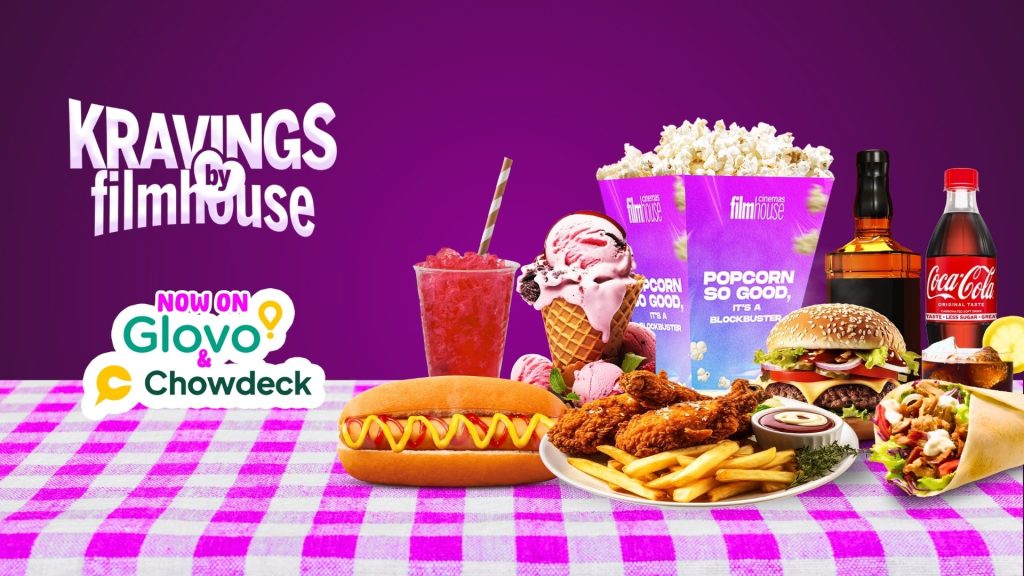
By Victoria Ushebi, Public Relations And Communications Manager, Filmhouse Group The eyes are the window to the soul, and we’d argue that your cinema snack order is just as telling. At Filmhouse Cinemas, thousands of moviegoers pass through our doors every week. They come for the stories, the heroes, heartbreaks, plot twists, and unexpected laughs, but before they settle into the dim comfort of rows or the plush privacy of The Cube, they make a small but very telling decision: What to eat. Popcorn or Shawarma? Chicken or waffles? Hot dog or just bottled water? As it turns out, this isn’t only about taste: in leisure settings, where we’re emotionally relaxed and sensory input is heightened, food choices become a mirror of who we are. So, with a little psychological insight, a dash of cinema culture, and years of experience watching movie lovers in their natural habitat, we present the Filmhouse Snack Personality Guide and a look into what your go-to cinema snack reveals about you. The Shawarma Fiend The Sensory Explorer | The Risk Taker | The No-Napkin Rebel Ordering shawarma in the dark says one thing loud and clear: you’re not afraid to get messy in pursuit of flavor. You’re spontaneous, adventurous, and probably the one convincing your group to try that obscure festival film instead of the blockbuster. You value strong leads, strong seasoning, and strong opinions. Your world is big, bold, and definitely not mild. Movie match: Thrillers, political dramas, plot-twisting mysteries Behavioral type: Emotional high-sensation seeker You probably: Sit back and whisper “this is about to get wild” 10 minutes into every movie… The Chicken & Chips Loyalist The Comfort Architect | The Balanced Thinker | The Strategic Escapist You appreciate structure. You like your emotions well-fed, your stories well-paced, and your fries extra crispy. You order chicken and chips because it’s trustworthy, delicious, and doesn’t let you down, just like your taste in movies. You’re likely the designated planner for your group. You enjoy stories with arcs you can track and characters who grow. You don’t chase chaos; you curate calm spaces. Movie match: Romcoms, biopics, feel-good & uplifting dramas Behavioral type: Logical nurturer with emotional depth You probably: Finish your snack before the second act and are already planning your next visit The Hot Dog Devotee The Minimalist | The Time Optimizer | The Focused Viewer Your logic: minimal mess, maximum satisfaction. You’re not at the cinema to indulge; you just want to see your movie and leave. The hot dog is an efficient, one-handed, no-fuss companion. You probably showed up exactly 10 minutes before showtime and picked the center seat, somewhere in the topmost row. You enjoy crisp storytelling and dislike distractions. You’ll tolerate a plot twist, as long as it doesn’t try too hard. You prefer stories that respect your intelligence and use every minute well. Movie match: Spy thrillers, courtroom dramas, tech-driven documentaries Behavioral type: Practical realist with an eye for nuance You probably: Silently judge anyone opening a loud snack mid-dialogue The Waffle & Ice Cream Dreamer The Empath | The Romantic | The Sentimentalist You didn’t come to the cinema to snack; you came to feel and indulge in the experience. Waffles and ice cream is a commitment to softness, and you wear it proudly. You’re drawn to stories that make you weep, wonder, and whisper “wow” under your breath. You rewatch your favorite films, know the full score of La La Land, and believe movies are art. If someone breaks your heart, you process it in the dark, with a bucket of vanilla ice cream, and an equally emotional playlist. Movie match: Coming-of-age stories, musicals, nostalgic epics, romance Behavioral type: Emotionally tuned-in dreamer You probably: Cry when the credits roll, even on the third rewatch The Popcorn Traditionalist The Purist | The Observer | The Culture Keeper You’re not here to snack. You’re here to witness. You choose popcorn because it’s part of the ritual. The rustle of the bag – it’s part of the movie culture. You’re fiercely loyal to good cinema. You champion underdogs. You notice when dialogue is dubbed well, and lighting is intentional. You’re the one who stays for the credits, and we love you for it. Movie match: Historical films, A24-style dramas, literary adaptations, fictional world comics like Superman… Behavioral type: Discerning thinker with a taste for craft You probably: Recommend films like they’re books and remember directors’ names We know the magic of the cinema is beyond the story on screen; It’s in the seat you choose the friend you bring, and the snack that finds you. So, whether you’re a popcorn purist, a waffle romantic, or a shawarma thrill-seeker, there’s room for you, and your kravings here.