
December Is the Biggest Moment for the Cinema Economy
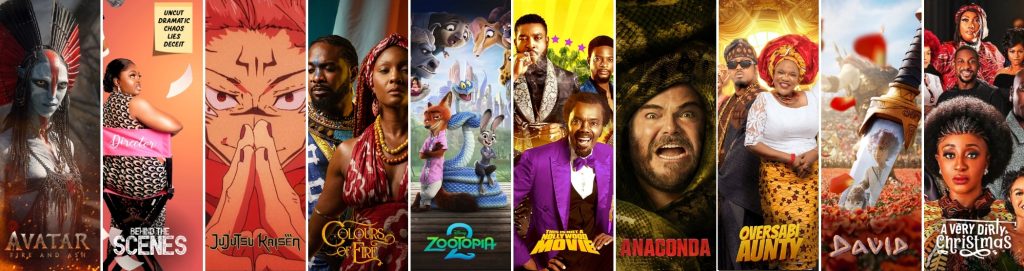
By Aramide Pearce, Public Relations and Communications Executive, Filmhouse Group The Christmas holiday season consistently delivers the year’s highest cinema attendance, here’s what fuels the surge. It’s the most wonderful time of the year! December cheer is in the air and the festive spirit is in full swing. This month is one of the biggest windows for movie releases worldwide. Research on cinema attendance consistently shows that audience engagement rises during the holiday season. Films released in December often outperform other months in terms of ticket sales which is driven by families seeking entertainment during school breaks, couples and groups looking for shared experiences and the general uplift in spending during the festive period. Globally, December and holiday-season releases have historically delivered some of the highest box-office grosses of the year. Classics like Home Alone (1990) and How the Grinch Stole Christmas (2000) achieved massive domestic and international revenue, while more recent releases such as The Grinch (2018) continue the trend. In 2025, industry analysis shows that December remains one of the highest-grossing months across multiple markets. These films benefit not only from initial excitement but also from sustained word-of-mouth, as audiences seek shared experiences during the holiday period. Families on school break, groups of friends, and couples looking for feel-good entertainment make cinema outings a popular choice, and festive-themed marketing further reinforces this trend. The social and emotional context of the holidays makes movie-going particularly attractive, creating an ideal window for engaging audiences. Kicking off the festive season on Friday 5th December was Wale Ojo’s “This Is Not a Nollywood Movie.” As the first Nollywood release of December, it set the tone for a month of exciting cinema experiences, benefiting from holiday audiences seeking family outings, shared experiences, and feel-good entertainment. Funke Akindele’s Behind The Scenes (BTS), releasing on Friday 12th December is a prime example of tapping into that festive spirit. Films like this not only benefit from initial excitement but also from extended word-of-mouth during the weeks between Christmas and New Year, as families and friends gather, discuss, and recommend movies to one another. Box office analysis shows that holiday films often maintain strong cinema runs well beyond opening weekends, maximizing both revenue and audience engagement. Toyin Abraham’s Over Sabi Aunty releasing on Friday 19th continues our December momentum. Hollywood is also coming in strong this season with major global blockbusters that will amplify the festive excitement. On Friday 19th December, Avatar: Fire & Ash arrives as one of the biggest worldwide releases of the year. Niyi Akinmolayan’s Colors Of Fire releasing on Thursday 24th December (Christmas Eve) further strengthens our holiday lineup. With family-friendly appeal and festive themes, it’s designed to engage audiences in one of the busiest cinema periods of the year. Following closely are two family-friendly titles on Thursday 26th December (Boxing Day) Anaconda and The SpongeBob Movie: Search for SquarePants both positioned to take advantage of the massive post-Christmas cinema rush. For us, December isn’t just another month, it is a strategic opportunity to reach audiences when they are most excited to go to the movies. By further leveraging the festive spirit, family gatherings and heightened leisure activity we position our films for maximum impact. This year, the festive season is shaping up to be truly unforgettable and we have a slate that is set to capture all the excitement.
5 Mistakes First-Time Distributors Make, and How To Avoid Them
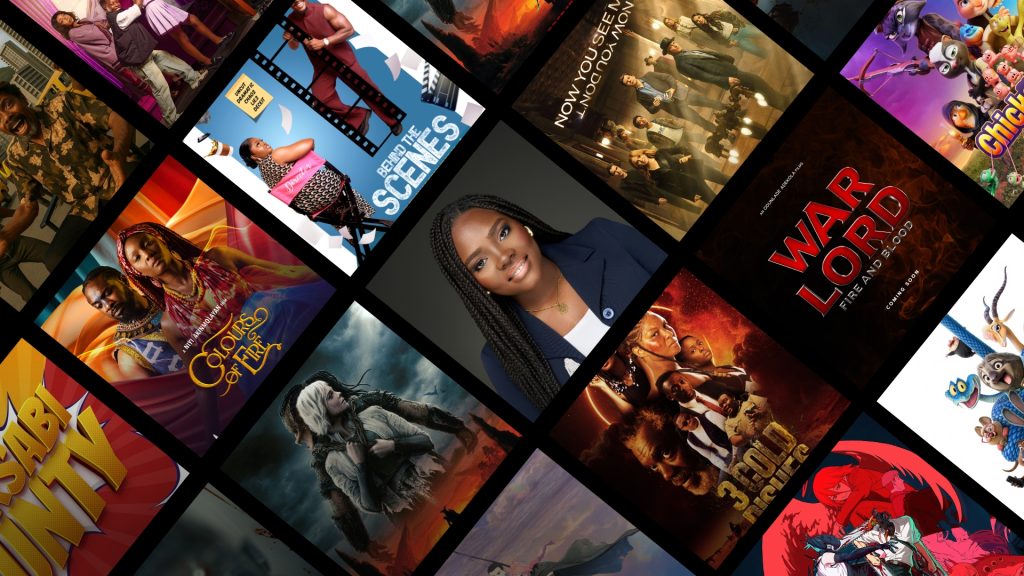
Victoria Ogar, Head of Distribution, FilmOne Entertainment Getting into film distribution is exciting. It is also a lot to take in. I have seen new distributors rush in with passion, but passion alone isn’t enough. This business needs strategy, patience, and strong relationships. That is one of the reasons we launched the FilmOne Exhibitors Showcase to bridge that gap between passion and practical industry knowledge. It is a space that helps new and existing distributors understand the full picture of how film distribution works, build valuable connections, and see how strategy translates into success. Here are five mistakes I see first-timers make, and how you can stay clear of them. 1. Underestimating Relationships Distribution is built on people. Exhibitors, producers, marketers, even fellow distributors; they all matter. Many newcomers focus only on screens, forgetting that without trust and good relationships, films won’t go far. Build your network. Show up. Be reliable. People remember consistency more than promises. 2. Content, Marketing and Positioning It is easy to believe every film will be a hit, especially when you love the story. Content is key, do your homework, Study audience behavior, look at films in the same category, ask questions on box office performances so far and keep your expectations realistic. 3. Distributor & Producer Handshake What works for film A may not work with Film B, C or D. A distributor shares more insights on the landscape and market realities. Understanding what excites the audience is integral to distribution; there needs to be a handshake between producers and distributors on strategies and execution. Some distributors try to copy-paste international strategies without considering local tastes. Know your audience. Understand what excites them and what doesn’t. Distribution is never one-size-fits-all. 4. Marketing Costs Distribution costs money upfront marketing, logistics, prints, promotions. Revenue doesn’t come in immediately, and that delay can sink you if you’re not prepared. Plan properly. Keep track of your spending and always leave room for surprises. Strong cash flow keeps you in the game. 5. Collaborating and Growing in Distribution In distribution, trust opens more doors than hype. You have to be willing to learn from each other, producers, and distributors alike. Both sides need to agree on the strategy and be open about what works and what doesn’t. Mistakes will happen, and that is fine. They are part of the process. What matters is how you recover and grow from them. Approach distribution with humility, foresight, and persistence. That is how you build a career that lasts. Every film is a new chance. And when things don’t go as planned, don’t be afraid to try again. The key is to keep learning always.
Fandom as a Market Force: What Demon Slayer’s ₦175 Million Box Office Reveals About Nigeria’s Entertainment Economy
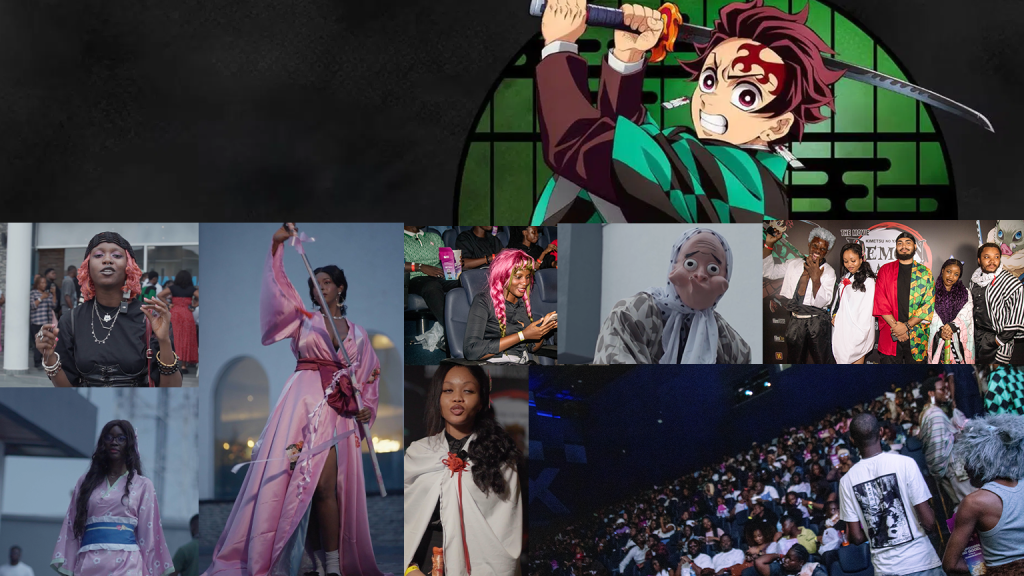
By Chuka Okonkwo, Marketing Manager, FilmOne Entertainment In early September, Demon Slayer: Infinity Castle opened at the Nigerian box office. By the end of its first weekend, it had earned ₦82 million. Within weeks, that figure passed ₦175 million; the highest box office return for an anime title in West Africa’s history. On the surface, it was a record. Beneath it, a signal. The turnout wasn’t driven by conventional marketing or star power, but from a communal partnership and a well-orchestrated experiential touchpoint for Nigeria’s anime fans and community – one that had never been tapped into in such a large scale. This revealed more clearly than any campaign could that the anime fandom has matured into a market force in Nigeria’s entertainment economy. At FilmOne Entertainment, we have long tracked audience behavior across genres, but Demon Slayer offered a rare case study: a niche product achieving mainstream penetration through community-led enthusiasm. Partnering with AniWe Convention, we saw how subcultures — when engaged rather than marketed to, can convert passion into predictable demand. The screenings at Filmhouse IMAX Lekki and Silverbird Jabi Mall were sold out, with repeat visits from fans who viewed the experience as collective, not transactional. This success also highlights a broader shift in Africa’s cinema economy. The average Nigerian moviegoer is now younger, globally literate, and digitally networked. This demographic consumes stories in multiple languages and formats, and their loyalty is built on authenticity, not advertising. Their power lies in amplification; in turning engagement into visibility, and visibility into revenue. Globally, film industries are recognizing this dynamic. In Japan and the U.S., anime franchises like Demon Slayer and Jujutsu Kaisen are not simply entertainment exports but ecosystems; driving merchandise, streaming demand, and event-based revenues. Nigeria’s own box office is beginning to mirror that diversification, with genres once considered niche now competing directly with local blockbusters. The takeaway is strategic; the next phase of growth will not rely solely on volume or release frequency but on understanding the sociology of audiences, their communities, rituals, and digital footprints. Demon Slayer’s performance shows that content alignment with subculture can outperform broad-based marketing. It is a reminder that the Nigerian cinema landscape is not static. It’s being redefined by audiences who bring their own communities with them; audiences that want to connect with similar crowds and see themselves in the shared space of the cinema hall. The business of film is no longer about predicting what audiences want; it’s about recognizing that they already know, and are organizing around it.
Sinners: How Michael B. Jordan And Ryan Coogler Are Changing The Horror Narrative
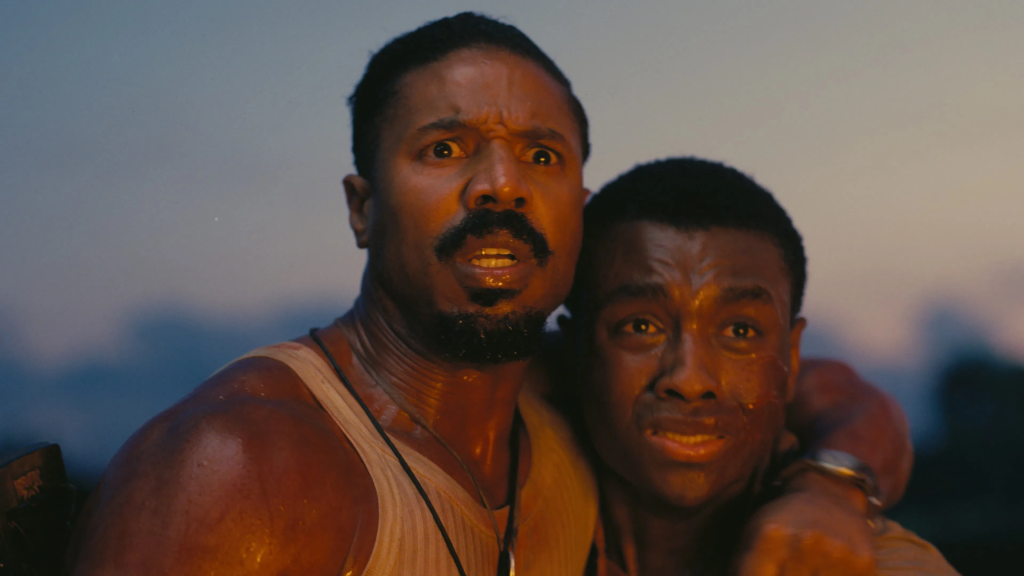
Michael B. Jordan and Ryan Coogler are a force to be reckoned with. From Fruitvale Station, based on a true-life story, to Black Panther, our own superhero dream, and now Sinners, their newest horror-thriller masterpiece, this dynamic duo keeps proving they’re not here to play. Michael B. Jordan is a class act and Ryan Coogler is a genius. The way they move individually is powerful, but together? Unstoppable. Beyond their incredible track record, it’s the brotherhood they share that stands out: two Black men holding each other up, making waves side by side, and telling stories that reflect us, challenge us, and stay with us. Sinners follows Smoke and Stack, identical twin brothers who return to their hometown hoping for a fresh start. But instead, they face supernatural forces that bring their past, their pain, and their bond into sharp focus. It’s intense, it’s layered, and it has got that signature Jordan-Coogler touch: authentic, bold, and deeply human. But what makes Sinners different from your typical horror film is how it leans into the why behind the fear. Horror, at its best, is never just about jump scares or gore, it is about metaphor. It is about the monsters we carry, the traumas we bury, and the truths we run from. The film draws on the classic vampire style and is interwoven with history set in the Jim Crow era of the 1930s with powerful music and one detail stands out: vampires must always be invited in. It’s such a small rule, but it speaks volumes. Historically, it’s a symbol of consent, vulnerability, and the dangers of opening ourselves to the unknown. In Sinners, this idea transforms what happens when the thing you let in isn’t just supernatural, but something you’ve been running from all your life? This reimagining isn’t just clever it’s powerful. Especially in a genre that has often sidelined Black characters or portrayed them in a negative light. Jordan and Coogler flip that script. They centre Blackness, complexity, and kinship. They show that horror can be personal, poetic and spiritual all at once. Since its release in West Africa less than two weeks ago, Sinners has earned over ₦300 million and counting an extraordinary feat for any film, but especially for one in the horror genre. Horror has traditionally been underrepresented at African box offices, often considered niche or too culturally specific. But Sinners is different. It proves there’s an appetite for elevated, Black-led horror that resonates with us. Compared to other horror titles released in the region, Sinners is already outperforming expectations both in revenue and resonance. It’s not just selling tickets; it’s starting conversations. And that’s the power of storytelling when it’s done with heart, purpose, and vision. Jordan and Coogler are changing the game. Their films aren’t just visually stunning they are emotionally rich. They create space for complexity. For Black men to be soft and strong. For community, for struggle, for love, and for resilience. They’re shifting the culture, opening doors, and reminding us all that when we own our narratives and collaborate with those who see us, we create magic. Sinners isn’t just another film. It’s a statement. And once again, Michael B. Jordan and Ryan Coogler are leading the charge. As Kendrick Lamar would say ‘’ I am a sinner who’s probably gonna sin again Lord forgive me, Lord forgive me for things I don’t understand.’’
Top 5 Movies That Flopped at The Box Office

In the world of films even with big budgets, star-studded casts, and all the buzz, some movies still fall flat at the box office whether in Nollywood or Hollywood. Why? It’s not always about how much money went into making the film or how hard the marketing team pushed. Sometimes, it simply comes down to this: the film didn’t cater to the audience’s tastebuds. Here are five films that had the potential for box office success, and how smart movie marketing could have changed their stories. Chief Daddy 2: Going for Broke had all the right expectations riding on it. The first film was a massive hit, so naturally, everyone was excited for the sequel. But when it hit theaters, the response was lukewarm. The story felt rushed, and the charm of the first film just wasn’t there. A little more pre-release engagement, like test screenings and audience feedback, could have helped fine-tune the narrative and manage expectations. Getting people excited early on could’ve turned the tide for this sequel. John Carter is another example of a film with all the potential but a major marketing miss. Disney invested heavily in the sci-fi epic, but the campaign was all over the place. Audiences weren’t sure what kind of movie they were going to see, was it an action flick? A romance? Sci-fi? A simple, clear campaign with a focus on the adventure and character would have helped audiences understand what they were getting into. Then there’s Ayinla, a beautiful film with rich cultural storytelling, but outside Nollywood’s core audience, not many people knew about it. The film deserved more visibility. Strategic community screenings in key areas like Yaba and Lekki, plus influencer-driven buzz, could have helped get the word out and built momentum. It’s about reaching people where they are and making them feel connected to the story. As for Cats, sometimes the visual effects just miss the mark. The movie had a star-studded cast and was based on a beloved musical, but the creepy CGI cats freaked out more people than it won over. Testing visuals before the final release and taking audience feedback seriously could’ve saved the film from its disastrous reception. Focusing more on the emotional power of the musical, rather than the unsettling visuals, might’ve kept fans coming to theaters. Lastly, The Set Up 2 the first one did well, but the sequel didn’t keep up the same momentum. It came and went without much buzz, which is crucial for a film’s longevity. A more consistent social media campaign, exclusive previews, and influencer-driven hype could’ve kept the conversation going. Marketing needs to make sure people are talking about the movie long after they’ve seen it. At Filmhouse Cinemas, we know that getting people in seats isn’t just about showing a movie, it’s about creating an experience. We make sure the conversation keeps going long after the credits roll, with screenings that give movie lovers something to talk about. Because in Lagos, if no one’s talking about your film, did it really premiere?
Disney’s Snow White: From Animation to Live Action
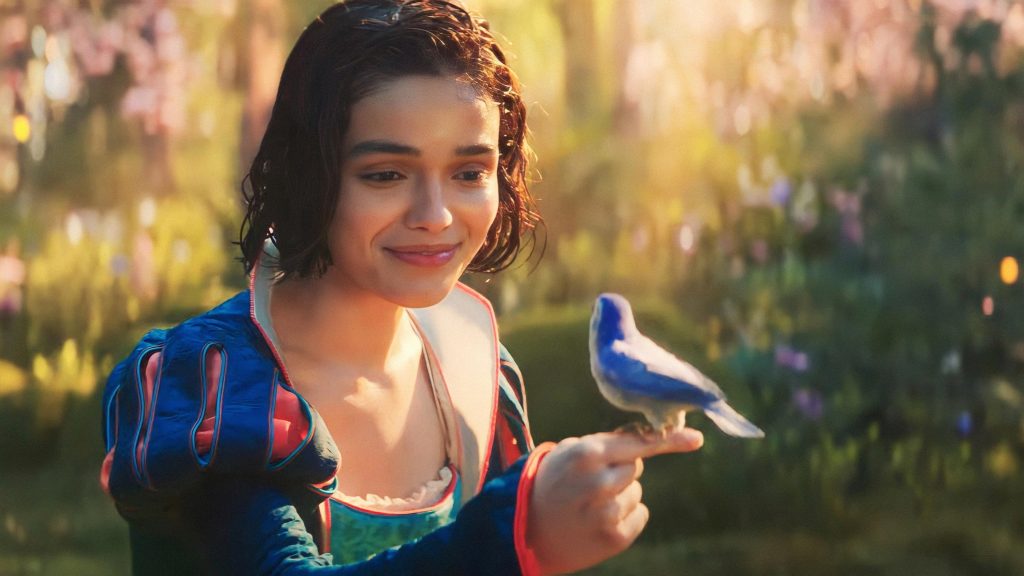
When Snow White and the Seven Dwarfs premiered in 1937, it made history as the first-ever feature-length animated film. Nearly nine decades later, Disney is reimagining the beloved fairytale in a live-action adaptation starring Rachel Zegler. While the heart of the story remains, the 2025 version introduces modern updates that reflect changing perspectives on storytelling and character development. Rachel Zegler steps into the role of Snow White, bringing a modern take on the character that leans more into independence than wishful thinking. She’s not just waiting for a prince she’s shaping her own destiny. The 1937 Evil Queen was one of Disney’s most iconic villains. Gal Gadot’s version brings all the glamour and wickedness, but with a bit more depth. In 1937, the Seven Dwarfs were some of Disney’s most recognizable characters, each with their own one-word personality trait: Sleepy, Grumpy, Happy, and so on. They were comic relief, emotional support, and unlikely heroes all in one. The 2025 version, however, takes a different route. Disney has shaken up the dwarfs’ portrayal, steering away from their classic animated charm. And then there’s the prince one of the biggest points of discussion. Rachel Zegler’s past comments about the original Snow White story being “creepy” sparked controversy, particularly her critique of the prince’s role. In response, the new adaptation gives him a significantly reduced presence. Instead of Snow White’s story revolving around romance, the focus shifts to her personal growth and leadership. The original Snow White and the Seven Dwarfs was a technological marvel of its time, pioneering hand-drawn animation in a way no other film had done before. The 2025 version leans into live-action with CGI elements to bring the fairytale world to life. As for the music? The classic songs like Someday My Prince Will Come are still part of the story, but new songs have been added to reflect the film’s updated themes. Snow White remains a story about resilience, transformation, and the dangers of accepting a red apple from a stranger. But the way it’s told in 2025 is different from how it was in 1937. One thing’s for sure: this Snow White isn’t just waiting for a prince to wake her up.